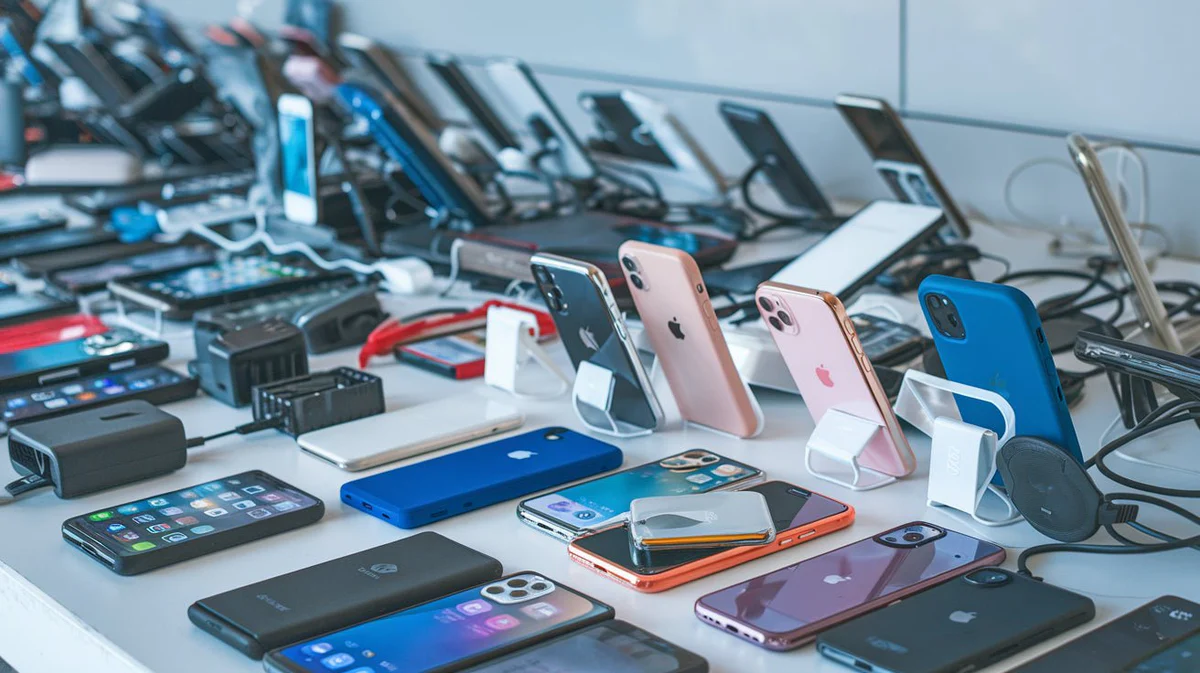
The refurbished electronics market has grown to a $65 billion global industry, yet 67% of consumers still hesitate to buy refurbished devices due to uncertainty about quality and reliability. This comprehensive guide cuts through the confusion with data-driven insights, professional quality standards, and practical vendor evaluation strategies.
The State of Refurbished Electronics in 2025
The refurbished electronics market has matured significantly over the past five years. What was once considered a risky alternative to buying new has evolved into a viable, sustainable option backed by industry-standard testing protocols and comprehensive warranty coverage.
The global market now exceeds $65 billion, with customers saving 30-70% compared to new electronics. Quality vendors report 92%+ customer satisfaction rates.
Key Market Trends
Consumer acceptance of refurbished electronics has grown dramatically, with 67% of buyers now considering refurbished devices as viable alternatives to new purchases. Quality perceptions have improved 45% in just the last three years, driven by:
- Industry-standard testing protocols becoming mandatory
- Battery health requirements standardized at 80%+ capacity minimum
- Comprehensive warranty coverage becoming industry standard
- Third-party certification programs gaining widespread adoption
Professional Vendor Evaluation Framework
Not all refurbished electronics vendors are created equal. Use this professional evaluation framework to assess potential vendors before making your purchase:
Prioritize vendors with detailed testing documentation, comprehensive warranty coverage with clear terms, 30+ day return policies without restocking fees, strong customer reviews (4.5+ ratings), and clear condition grading systems. Red flags include vague testing claims, complex warranty exclusions, short return windows, and generic condition terminology.
Understanding Quality Standards
Professional refurbishment goes far beyond basic cosmetic cleaning. Here's what quality vendors test and verify:
Hardware Testing Requirements
- Battery capacity verified at minimum 80% through diagnostic tools
- Display checked for dead pixels, touch response, and color accuracy
- Camera tested for image quality, autofocus, and flash operation
- WiFi, Bluetooth, and cellular connectivity verified
- All sensors validated (accelerometer, gyroscope, proximity)
Software Verification
- Operating system integrity checks and latest updates
- Security feature functionality testing
- Complete data wiping verification (factory reset confirmation)
- Activation lock removal and device unlocking verification
Condition Grades Explained
Understanding condition grades helps you balance cosmetic expectations with functional performance:
Excellent means like-new appearance with minimal signs of use—maybe light micro-scratches visible only in certain lighting. Very Good shows light cosmetic wear like minor scratches, but fully functional. Good has moderate wear including visible scratches or scuffs, but identical testing standards apply to all grades.
The key insight: all condition grades receive the same functional testing. You're choosing cosmetic tolerance, not reliability.
Common Buying Pitfalls to Avoid
The single biggest mistake buyers make is focusing solely on price without considering warranty coverage, return policies, and vendor reputation. A $50 savings isn't worth it if you have no recourse when issues arise.
Common mistakes: ignoring warranty terms, skipping condition grade details, not verifying carrier unlock status, overlooking return policies, and choosing unknown vendors. Always verify these basics before purchasing.
Calculating Total Value
Beyond the sticker price, consider these factors when evaluating total value:
Factor in shipping fees, warranty extension options, required accessories, potential repair costs over the device's lifetime, and resale value retention. A slightly higher upfront cost often pays off in total ownership costs.
The Sustainability Advantage
Beyond financial savings, refurbished electronics offer significant environmental benefits:
Choosing refurbished reduces your carbon footprint by roughly 67% compared to new, uses 89% less manufacturing energy, and extends device lifecycles by 5-7 years on average.
Making Your Purchase Decision
Armed with these insights, you're ready to make an informed purchase decision. Remember these key principles:
- Research vendor reputation thoroughly using the evaluation framework
- Understand exactly what condition grade you're purchasing
- Verify warranty coverage and return policy details before buying
- Calculate total cost including all fees and accessories
- Check recent customer reviews for real-world experiences
Ready to Find Your Perfect Device?
Browse our certified refurbished collection, backed by comprehensive testing, warranty coverage, and expert support.